"You don't have to be famous for your life to be history."
These words, spoken by Nell Sigmon when she was interviewed in 1979, serve as our unofficial motto. They remind us of the extraordinary significance of ordinary lives and guide our efforts to document stories and experiences of the South.
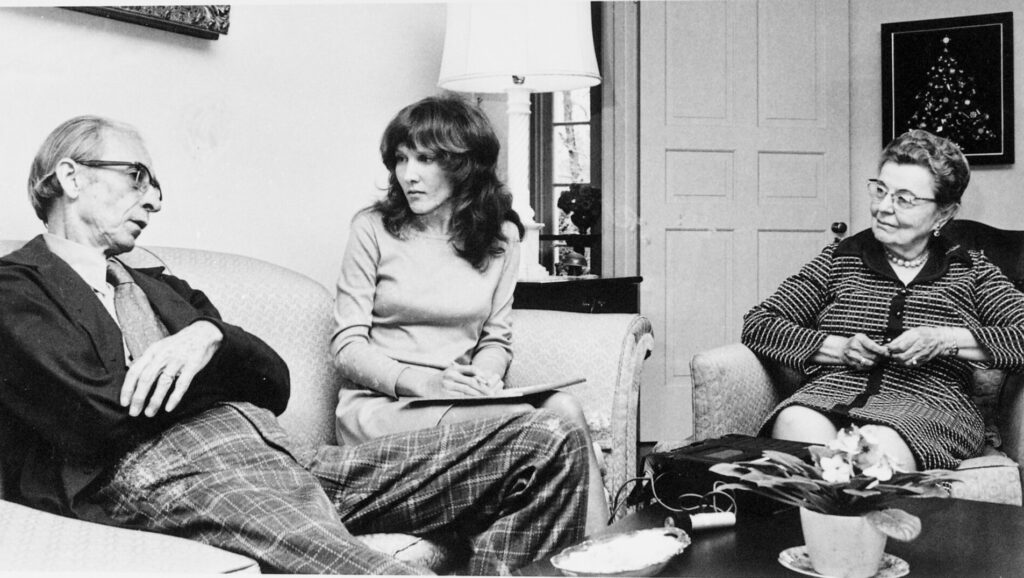
Answering questions with oral histories
We ask questions about the American South that can only be answered through oral histories. The SOHP is committed to being a resource for anyone looking to use this original research for their own projects. Our interview database is a rich repository of accounts ranging from politicians to activists, business owners to millworkers, educators to artists.

Interview Archive
The Southern Oral History Program interview archive is available through the Southern Historical Collection in the Louis Round Wilson Special Collections Library at the University of North Carolina Chapel Hill.
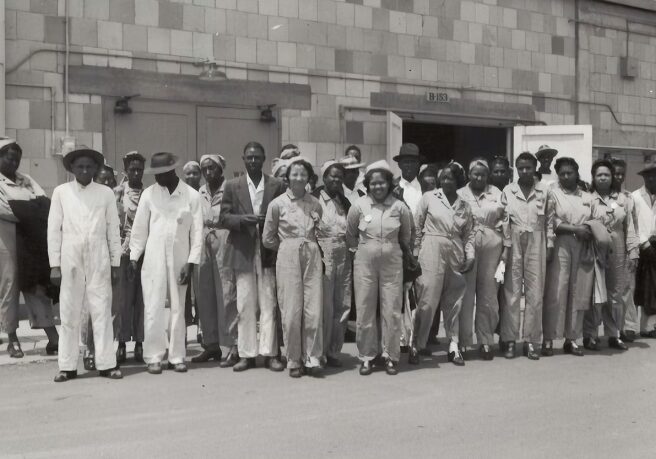
Research Projects
We create original research and partner with interdisciplinary collaborators in advanced initiatives and strive to make our archive useful to communities from which these stories originate.
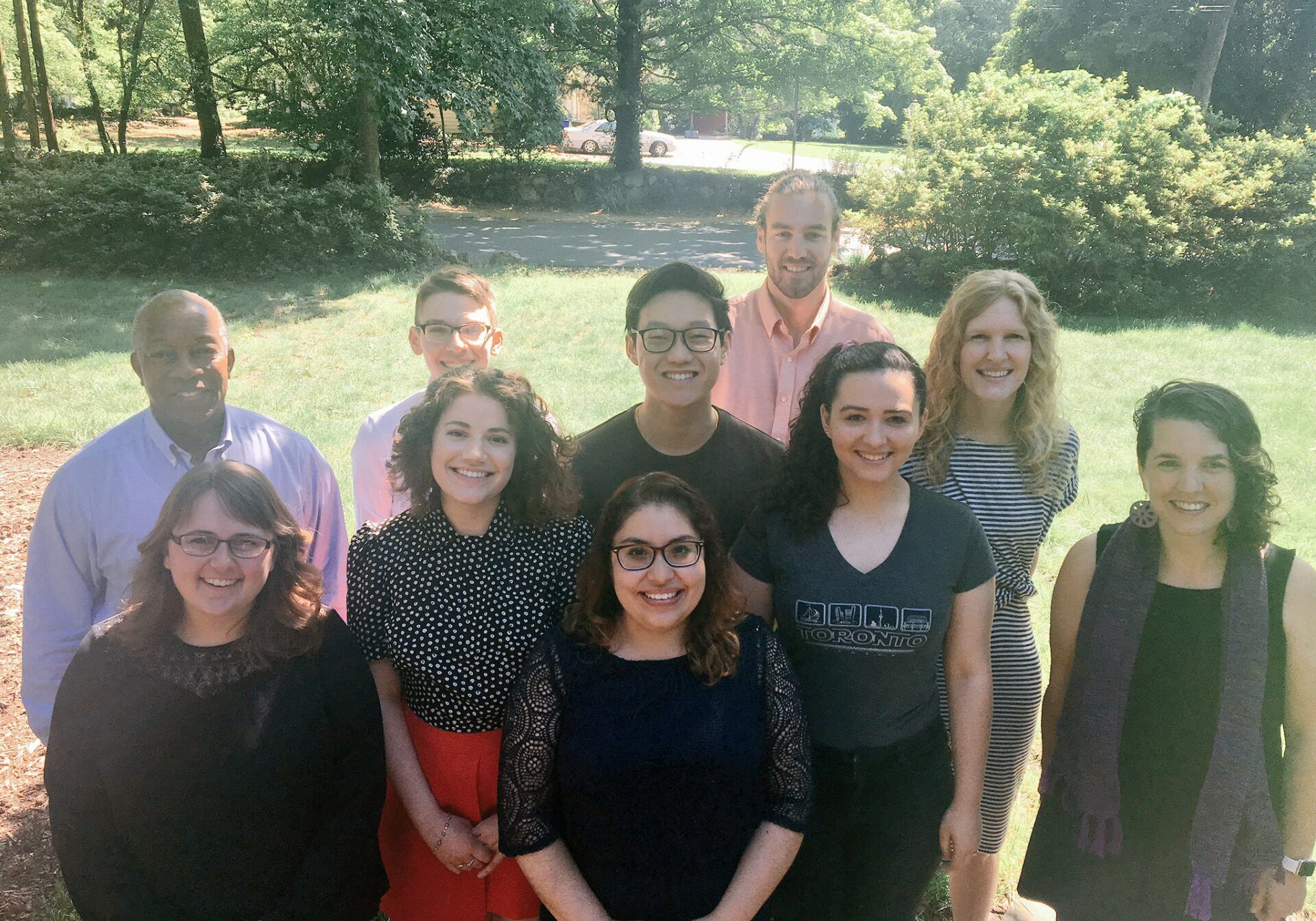
Opportunities
We enhance oral history training and education by training, supporting, and partnering with community members, students, and faculty to conduct advanced, ethical research.
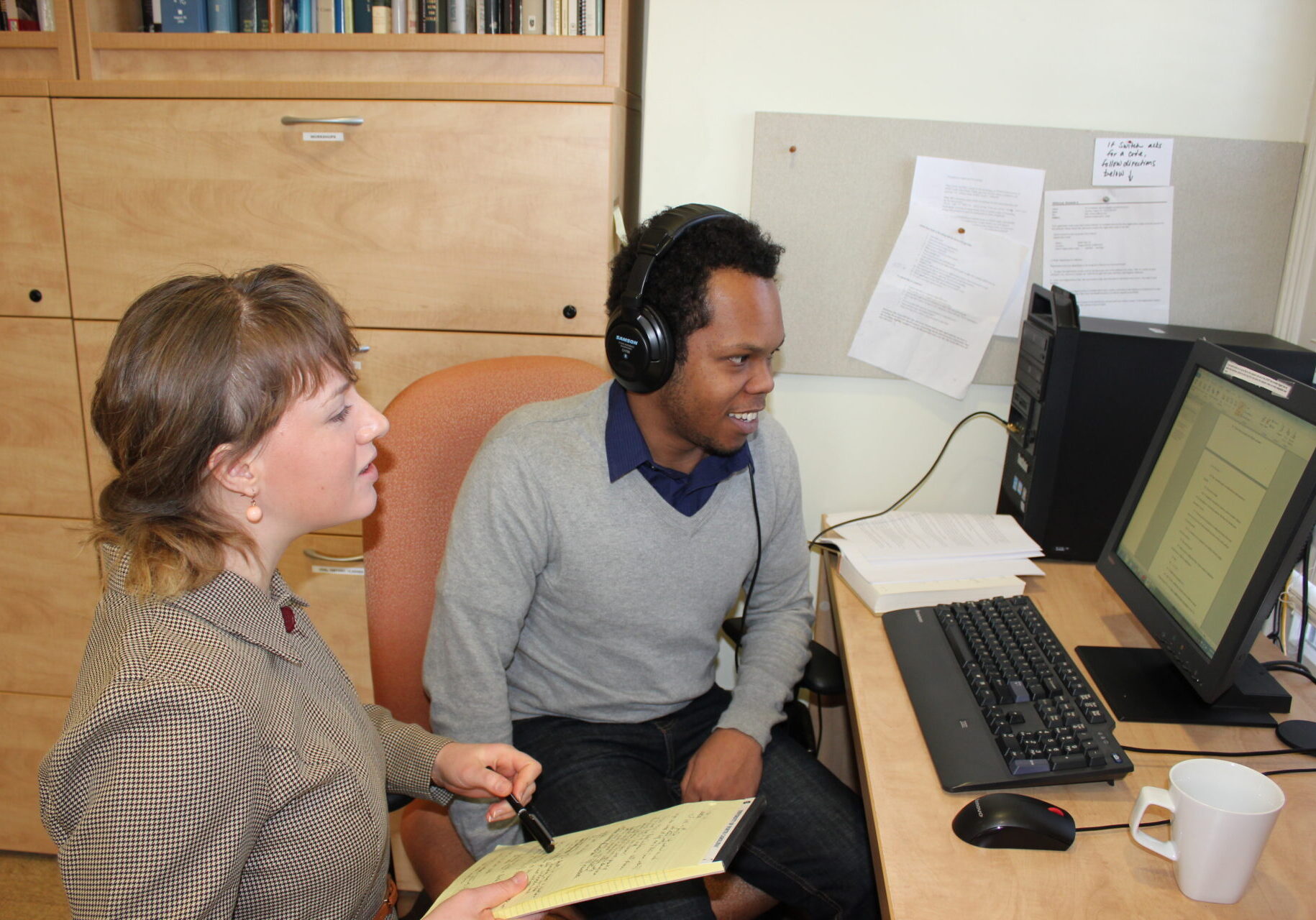
Resources
We strive to make our unparalleled archive useful to communities, scholars, and practitioners worldwide. The interviews serve as primary sources for bold and compelling research.